
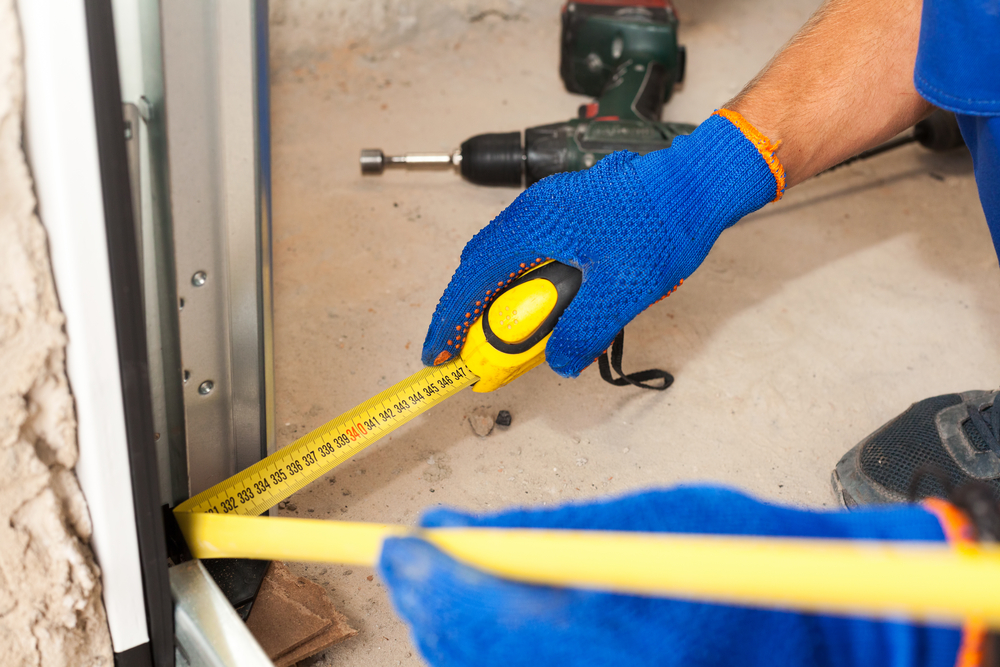
How to Measure Your Garage Door for a Retractable Screen: A Step-by-Step Guide
A retractable garage door screen can turn your garage into a comfortable, well-ventilated space without letting insects, leaves, and other outdoor debris inside. Whether you want to create a home gym, workshop, entertainment area, or relaxing place to spend time, a garage screen lets you enjoy fresh air while keeping your garage protected.
Before choosing a screen, however, you need accurate measurements. Even a small measuring mistake can affect how well your retractable screen fits, operates, and seals around the garage opening.
Learning how to measure your garage door for a retractable screen is easier than you might think. With a tape measure, a few basic tools, and an understanding of where the screen will be installed, you can collect the dimensions needed to begin selecting the right system.
This guide explains how to measure garage door openings, account for installation clearance, avoid common mistakes, and prepare your garage for a retractable screen that fits properly.
Why Accurate Garage Door Measurements Matter
Garage door screens are designed to cover large openings while allowing air and natural light to enter. Unlike traditional garage doors, retractable screens use mesh material that can be raised, lowered, or retracted when not needed.
For the system to work properly, the screen must fit the opening and have enough room for its mounting components.
Accurate garage door measurements help ensure:
- Proper screen coverage: The mesh covers the opening without leaving unnecessary gaps around the edges.
- Smooth operation: The retractable screen moves freely without rubbing against the garage door frame or nearby hardware.
- Effective insect protection: A properly fitted screen helps prevent mosquitoes, flies, and other pests from entering.
- Correct installation: The screen housing, side tracks, and mounting hardware have enough space.
- Long-term performance: Proper alignment helps reduce unnecessary wear on the screen and its operating components.
A garage screen that is too small may leave gaps. A system that is too large may not fit within the available mounting space.
Taking the time to measure correctly helps prevent these problems before installation begins.
What You’ll Need to Measure Your Garage Door Opening
You don’t need specialized equipment to measure a garage for a retractable screen. Most homeowners already have the necessary tools.
Before starting, gather the following:
- A tape measure long enough to span your garage opening
- A pencil and a notepad to record dimensions
- A level to check whether the opening is straight
- A step ladder to reach the top of the garage opening safely
- A smartphone or camera to document the installation area
- A second person to help measure larger openings
For wider garage doors, having someone hold the opposite end of the tape measure can make the process easier and more accurate.
Record all measurements in inches, unless the screen manufacturer requests another unit. Note fractions rather than rounding measurements to the nearest whole inch.
It’s also helpful to sketch the garage opening and label each measurement. This gives you a clear reference when discussing your project with a retractable screen specialist.
How to Measure Your Garage Door for a Retractable Screen in 6 Steps
The most important measurements are the width and height of your garage opening. However, you should also check the surrounding frame, available mounting space, and any obstacles that could interfere with installation.
Follow these six steps to measure your garage door for a retractable screen.
Step 1: Measure the Width of Your Garage Door Opening
Start by measuring the horizontal distance across your garage door opening.
For most installations, this means measuring the clear opening between the inside edges of the left and right garage door jambs.
Take three separate width measurements:
- Top width: Measure across the opening near the top.
- Middle width: Measure across the opening at approximately the halfway point.
- Bottom width: Measure across the opening near the floor.
Write down all three measurements.
For example, your measurements might look like this:
| Measurement Location | Width |
| Top of opening | 108 inches |
| Middle of opening | 107 7/8 inches |
| Bottom of opening | 108 inches |
In this example, the narrowest width is 107 7/8 inches.
The smallest measurement is important because it identifies the tightest part of the opening. However, the final screen dimensions will depend on whether the system mounts inside or around the opening.
Important: Don’t automatically order a screen using the smallest width. Some retractable garage screens require additional space for side tracks, mounting brackets, or an exterior mounting frame.
Always follow the manufacturer’s measurement requirements before placing an order.
Step 2: Measure the Height of the Garage Door Opening
Next, measure the vertical distance from the garage floor to the underside of the opening’s upper frame or header.
Take height measurements at three locations:
- Left side of the opening
- Center of the opening
- Right side of the opening
For example:
| Measurement Location | Height |
| Left side | 84 inches |
| Center | 83 7/8 inches |
| Right side | 84 1/8 inches |
These measurements show that the opening varies slightly in height.
Differences like this are common, especially in older garages where floors may slope or framing may have shifted over time.
Record the shortest height and note the variation across the opening.
When measuring, make sure the tape measure extends from the actual floor surface to the underside of the upper opening.
If your garage has an uneven concrete floor, measure from the highest relevant floor point as well. This helps identify potential gaps or clearance issues when the screen is fully lowered.
Step 3: Check the Garage Door Frame for Uneven Surfaces
Garage openings aren’t always perfectly square.
Even if your garage door appears straight, the surrounding frame may have small differences in width, height, or alignment.
Use a level to check the vertical jambs and horizontal header.
You can also measure diagonally from corner to corner:
- From the upper-left corner to the lower-right corner
- From the upper-right corner to the lower-left corner
If both diagonal measurements are equal, the opening is likely square. If they differ, the opening may be out of square.
For example, one diagonal might measure 136 inches while the other measures 136 1/2 inches.
That difference is worth recording because it may affect how the retractable garage screen is mounted.
An uneven opening doesn’t necessarily prevent installation. Depending on the screen system, an installer may be able to use mounting adjustments or additional framing to create a suitable installation surface.
However, identifying these conditions early helps avoid unexpected installation problems.
Step 4: Measure the Available Mounting Space
Measuring the garage opening is only part of the process.
Retractable garage screens also need space for the components that support and guide the screen.
Depending on the design, these components may include:
- An upper screen housing or cassette
- Vertical side tracks or guide rails
- Mounting brackets
- A bottom bar or sealing component
- Motorized operating equipment, when applicable
Measure the available space above the opening, along both sides, and around the intended mounting surface.
Headroom: Measure the distance between the top of the garage opening and the nearest obstruction above it. This may include the ceiling, garage door tracks, brackets, or other equipment.
Side clearance: Check the available mounting surface on both sides of the opening. Measure any space that could be used to accommodate side tracks or brackets.
Mounting depth: Determine whether the screen can be installed within the opening or must be mounted on the surrounding wall or frame.
Different retractable screen systems have different clearance requirements.
For this reason, don’t assume that a standard garage door opening automatically has enough space for every retractable garage screen.
Step 5: Inspect the Existing Garage Door and Hardware
Most homeowners want to keep their existing overhead garage door while adding a retractable screen.
This allows them to use the garage normally when the screen is retracted and enjoy ventilation when the garage door is open.
However, the existing garage door hardware can affect where the new screen is installed.
Inspect the area for potential obstacles, including:
- Garage door tracks and rollers
- Torsion springs and related hardware
- Garage door opener rails
- Safety sensors and wiring
- Handles, locks, and hinges
- Electrical outlets and light fixtures
- Storage racks or cabinets near the opening
Pay particular attention to how the overhead garage door moves.
A retractable screen should not interfere with the garage door’s normal operation or its safety equipment.
If the screen will be installed inside the garage, check whether the existing tracks and mounting brackets leave enough space for the new system.
For exterior installations, inspect the surrounding trim, siding, masonry, and other surfaces where the screen may attach.
Taking a few photographs of the opening with the garage door both open and closed can help a screen specialist evaluate the available installation space.
Step 6: Record Your Measurements and Verify Them
Once you’ve measured the opening and surrounding area, review your notes before choosing a screen.
Your final measurements should include:
- Opening width at the top, middle, and bottom
- Opening height at the left, center, and right
- Available headroom above the opening
- Available mounting space on both sides
- Mounting depth and surface conditions
- Any differences in the opening’s alignment
- Nearby obstacles that could affect installation
Measure the width and height a second time to confirm your results.
For larger garage openings, it’s especially important to verify the measurements before ordering a custom-sized screen.
If anything seems unusual, such as a noticeably sloped floor or uneven frame, document the condition rather than trying to compensate by guessing at the finished screen size.
A professional retractable screen provider can use these details to help determine the best installation approach.
How to Measure for Inside-Mount vs. Outside-Mount Garage Screens
One of the most important decisions when installing a retractable garage screen is where the system will be mounted.
Inside-mount and outside-mount installations use different reference points for measuring.
Measuring for an Inside-Mount Garage Screen
An inside-mount screen is installed within the garage door opening or its surrounding recess.
This approach can create a clean, integrated appearance because the system fits within the existing structure.
When measuring for an inside-mount retractable screen, focus on the clear opening and the usable mounting surfaces.
You’ll need to confirm that:
- The opening is wide enough for the screen and its components.
- The upper frame provides adequate room for the screen housing.
- The side jambs offer suitable mounting surfaces.
- The screen will not interfere with the existing garage door.
- The opening is sufficiently square for the selected system.
Inside-mount installations can be more sensitive to irregular framing because the available space is limited by the existing opening.
Measuring for an Outside-Mount Garage Screen
An outside-mount retractable garage screen attaches to a surface surrounding the garage opening.
Depending on the product, this may be an exterior wall, trim, or another suitable mounting structure.
For this installation, measure the opening itself and the available wall or framing area around it.
The mounting arrangement must provide enough space for the housing and side tracks while allowing the screen to cover the opening.
An outside mount may be useful when the garage opening lacks adequate interior clearance.
It may also provide more flexibility for certain garage configurations.
The appropriate mounting method depends on the screen design, surrounding structure, and compatibility with the existing garage door.
What Are Standard Garage Door Sizes for Retractable Screens?
Garage doors come in several common sizes, but not every garage follows standard dimensions.
Many residential garages have single-car or double-car openings. Some homes also feature oversized garage doors for recreational vehicles, boats, or taller vehicles.
The following table shows common residential garage door dimensions.
| Garage Door Type | Common Width | Common Height |
| Single-car garage | 8 feet | 7 feet |
| Single-car garage | 9 feet | 7 feet |
| Single-car garage | 10 feet | 7 or 8 feet |
| Double-car garage | 16 feet | 7 or 8 feet |
| Wide double-car garage | 18 feet | 7 or 8 feet |
| Oversized garage | Varies | 9 feet or taller |
These dimensions are useful for initial planning, but they should never replace actual measurements.
For example, a garage described as having a 16-foot door may have an opening that measures slightly differently because of its framing or construction.
Likewise, two garages with the same opening dimensions may require different installation methods because of their mounting surfaces or overhead door hardware.
The actual opening and installation clearance matter more than the advertised garage door size.
How Much Clearance Do You Need for a Retractable Garage Door Screen?
The amount of clearance required depends on the retractable screen system you choose.
Some screens use compact housings and narrow guide tracks. Others need more room for their operating mechanisms or larger components.
There is no single clearance measurement that applies to every retractable garage screen.
Clearance Above the Garage Opening
The upper housing contains the retractable screen material and its operating mechanism.
It must fit securely above or within the garage opening.
Check for obstructions such as:
- Low ceilings
- Garage door tracks
- Structural beams
- Overhead storage
- Electrical wiring
- Existing trim
The manufacturer can confirm how much vertical space is required for the specific housing.
Clearance Along the Sides
Most retractable garage screens use side guides or tracks to help keep the mesh aligned during operation.
These components need appropriate mounting surfaces.
If the garage opening has narrow jambs or decorative trim, you may need a different mounting configuration.
Clearance Around the Garage Door
The retractable screen and existing garage door must operate independently without colliding.
The screen should not obstruct garage door tracks, springs, sensors, or moving components.
This is especially important when installing a screen in a garage with limited depth or unusually positioned hardware.
How to Measure a Double Garage Door for a Retractable Screen
Double garage doors require the same basic measurements as single-car openings, but their greater width introduces additional considerations.
A wider opening may have more noticeable differences between measurements taken at the top, center, and bottom.
The screen system may also require different structural support or operating components.
Start by measuring the full width of the clear opening.
Then measure the height at the left, center, and right.
Check the surrounding frame and document any variations.
For example, a double garage opening might measure:
- Width: 192 inches
- Height: 84 inches
These dimensions correspond to a 16-foot-wide by 7-foot-high opening.
However, the finished retractable screen size may differ depending on the mounting arrangement and required components.
For a large opening, it is particularly important to confirm the manufacturer’s maximum supported screen dimensions.
Some retractable screen systems are designed to span wide openings, while others may require a different configuration.
If you have two separate garage doors with a center support column, measure each opening individually rather than treating the entire garage as one opening.
How to Measure an Uneven Garage Floor for a Retractable Screen
Garage floors often slope slightly toward the driveway to help water drain away from the building.
That slope can create a challenge when installing a screen intended to reach the floor.
If the bottom of the screen is level but the concrete slopes, a gap may appear along part of the bottom edge.
To identify this issue, measure the height of the opening at multiple locations and compare the results.
You should also check for:
- Cracks or raised areas in the concrete
- Uneven transitions near the driveway
- Floor coatings that change surface height
- Drainage channels
- Existing garage door thresholds
A bottom seal or suitable installation adjustment may help accommodate minor variations, depending on the screen system.
For more pronounced slopes, a professional installer may need to evaluate the floor and recommend an appropriate solution.
The goal is to maintain smooth screen operation while minimizing unwanted gaps.
Manual vs. Motorized Retractable Garage Screens: Does Measuring Differ?
The basic opening measurements are similar for manual and motorized retractable garage screens.
Both require accurate width and height dimensions, along with adequate mounting clearance.
However, motorized systems may have additional installation considerations.
Measuring for Manual Retractable Garage Screens
Manual retractable screens use a hand-operated mechanism to extend or retract the mesh.
When planning for a manual screen, confirm that the screen can be reached and operated comfortably.
Check the location of handles, pull bars, or other operating components.
The installation should provide enough clearance for the screen to move freely.
Measuring for Motorized Garage Screens
Motorized retractable screens use an electric motor to raise or lower the screen.
In addition to the opening dimensions, the installation may require planning for:
- Motor housing clearance
- Electrical access
- Wiring routes
- Control placement
- Compatibility with nearby garage equipment
Some motorized screens may also have different housing dimensions than manual models.
If you’re considering a motorized retractable garage door screen, identify the available electrical connections and discuss the installation requirements before ordering.
Common Garage Door Measuring Mistakes to Avoid
A retractable screen is only as well fitted as the measurements used to select and install it.
Several common mistakes can lead to installation problems.
Measuring the Garage Door Panel Instead of the Opening
The garage door itself is not necessarily the same size as the clear opening.
Measure the opening and mounting area, not simply the width or height of the existing door panels.
Taking Only One Measurement
Garage frames can be uneven.
Measuring at only one point may hide differences in width or height.
Always measure at multiple locations.
Rounding Measurements Too Much
Rounding a measurement from 107 7/8 inches to 108 inches may seem harmless, but small differences can matter when selecting a custom-sized screen.
Record the actual dimensions.
Forgetting About the Screen Housing
The mesh is only one part of a retractable screen system.
The housing, side guides, and mounting hardware also need room.
Ignoring Garage Door Tracks
Existing garage door hardware can limit installation options.
Check for interference before selecting a mounting location.
Assuming All Retractable Screens Have the Same Requirements
Different manufacturers use different designs and mounting methods.
Measurements suitable for one system may not be sufficient for another.
Ordering Before Confirming the Mounting Method
An inside-mount screen and an outside-mount screen may require different finished dimensions.
Confirm the installation method before finalizing your order.
Can You Install a Retractable Screen on an Existing Garage Door?
Yes. Many retractable garage screen systems can be installed in garages that already have an overhead door.
The retractable screen is generally mounted as a separate system rather than replacing the garage door.
This arrangement allows homeowners to keep the security and weather protection of their existing garage door while adding a screen for ventilation.
When the overhead garage door is raised, the retractable screen can be extended across the opening.
When the screen isn’t needed, it retracts into its housing.
This makes it possible to use the garage for several purposes without permanently changing how the overhead door functions.
Before installation, confirm that the screen has sufficient clearance and won’t interfere with the existing door or its operating hardware.
How to Choose the Right Retractable Garage Door Screen
Once you have accurate garage measurements, the next step is choosing a screen that suits your space and how you plan to use it.
Dimensions are important, but they aren’t the only factor.
Consider How You Use Your Garage
A garage used primarily for parking may have different screening needs than a space used as a workshop, home gym, or entertainment area.
For example, homeowners who spend several hours working in the garage may prioritize ventilation and insect protection.
Someone creating a recreational space may also want a screen that maintains outdoor visibility and natural light.
Choose the Right Screen Mesh
Mesh selection can influence airflow, visibility, insect protection, and durability.
Depending on the product, available options may include mesh designed for general insect screening or materials with different visibility and airflow characteristics.
Consider the conditions around your home, including insects, wind exposure, and how frequently the screen will be used.
Think About Daily Operation
A manual retractable screen may be appropriate for homeowners who prefer a straightforward operating system.
Motorized retractable screens can offer additional convenience, particularly for large openings.
The right choice depends on your garage configuration, budget, and preferences.
Evaluate the Installation Surface
A screen needs a secure mounting location.
Wood framing, masonry, metal, and other materials may require different mounting methods.
A professional can evaluate the surrounding structure and determine whether additional preparation is necessary.
Consider Long-Term Maintenance
Look for a screen system that is easy to operate, clean, and maintain.
Regularly removing debris from guide tracks and keeping the mesh clean can help support reliable performance.
Following the manufacturer’s maintenance recommendations can also extend the useful life of the system.
Why Retractable Garage Screens Are Worth Considering
A garage doesn’t have to serve only as a place to park vehicles or store equipment.
With a retractable screen, it can become a more versatile extension of your home.
Better Airflow
Opening the garage door allows fresh air to circulate.
A retractable screen helps you enjoy that airflow while reducing the number of insects and larger debris entering the space.
This can make a noticeable difference when working on projects or exercising in the garage.
More Comfortable Garage Activities
Garages are often used for hobbies, woodworking, fitness equipment, and social gatherings.
A retractable screen makes it easier to keep the overhead door open during these activities.
Flexible Use of Space
Unlike a permanent wall or enclosure, a retractable screen can be moved out of the way when not needed.
You can enjoy an open-air garage during comfortable weather and return to normal garage use afterward.
Natural Light and Outdoor Visibility
Screen mesh allows daylight to enter while maintaining a connection to the outdoors.
This can make the garage feel brighter and more welcoming.
Insect Protection
Mosquitoes, flies, and other insects can quickly make an open garage uncomfortable.
A properly fitted retractable screen provides a physical barrier that helps keep pests outside.
Why Choose Stoett for Retractable Garage Screens?
When selecting a retractable garage screen, product quality, proper sizing, and installation compatibility are essential.
Stoett specializes in retractable screening solutions designed to help homeowners make better use of their indoor and outdoor spaces.
Whether you’re interested in adding a screen to a garage, patio, or doorway, choosing the right system starts with understanding the opening and its installation requirements.
Stoett offers retractable garage screens, retractable door screens, retractable patio screens, and other screening solutions that can help improve ventilation and comfort while preserving the flexibility of your space.
The company also offers glass railing and glass screen products for other residential applications.
If you’re planning to transform your garage into a workshop, fitness area, or relaxing space, accurate measurements are the first step toward selecting a suitable retractable screen.
Explore the retractable screen solutions available from Stoett and discuss your garage dimensions to determine which options best fit your project.
Final Tips for Measuring Your Garage for a Retractable Screen
Before purchasing a retractable garage screen, take a few minutes to review your measurements and installation plans.
The most important details are the clear opening width, opening height, available mounting space, and any obstacles around the existing garage door.
Measure in multiple locations, record exact dimensions, and document uneven framing or flooring.
Remember that the finished screen size may not be identical to the garage opening size. Housing dimensions, side tracks, and mounting configurations can affect the final requirements.
When you’re ready to take the next step, Stoett can help you explore retractable garage screen options for your space.
With the right measurements and a properly selected system, you can create a more comfortable, functional garage while maintaining the convenience of your existing overhead door.
Frequently Asked Questions About Measuring Garage Doors for Retractable Screens
How do I measure my garage door for a retractable screen?
Measure the clear width of your garage opening at the top, middle, and bottom. Then measure the height at the left, center, and right. Record the smallest dimensions and note any differences. You should also measure the available mounting space above and beside the opening. The manufacturer will use these details to determine the appropriate screen size and installation method.
What is the standard size of a retractable garage door screen?
Retractable garage screens can be designed for a range of garage openings. Common residential garage door sizes include 8, 9, 10, 16, and 18 feet wide, with heights often measuring 7 or 8 feet. Available screen sizes depend on the manufacturer and product model, so always confirm the supported dimensions.
Should I measure the garage door or the garage door opening?
Measure the garage door opening rather than the existing door panel. The clear opening determines the area that needs screening. You should also measure the surrounding mounting surfaces because the screen housing and side tracks may extend beyond the opening.
How much space do I need above my garage door for a retractable screen?
The required headroom depends on the retractable screen’s housing and mounting design. Some systems need space above the opening, while others can be installed within a suitable recess. Measure the available area and check the manufacturer’s specifications before ordering.
Can a retractable garage screen fit a 16-foot garage door?
Yes, retractable screen systems are available for wide garage openings, although the maximum supported width varies by product. A 16-foot garage opening requires a screen designed for that span and sufficient mounting space for its components.
Can I install a retractable screen if my garage opening isn’t square?
An opening that is slightly out of square may still accommodate a retractable screen. The solution depends on the amount of variation and the screen’s installation requirements. Additional framing or mounting adjustments may be needed to create a suitable installation surface.
How do I measure a garage door with an uneven floor?
Measure the opening height at several points, including the left side, center, and right side. Compare the measurements to identify the slope or uneven areas. Record any significant differences so the screen provider can determine whether a bottom seal or installation adjustment is appropriate.
Can I add a retractable screen without removing my existing garage door?
Yes. Many retractable garage screens are installed as separate systems that work alongside existing overhead garage doors. The garage door can remain in place, provided there is enough room for the screen and both systems can operate without interference.
Are retractable garage screens custom-sized?
Some retractable garage screens are available in standard sizes, while others can be configured or manufactured for specific openings. Custom sizing may be helpful for unusually wide, tall, or nonstandard garage openings. Confirm available dimensions and measuring instructions with the manufacturer.
Do I need professional measurements for a retractable garage screen?
Homeowners can usually take preliminary measurements with a tape measure and level. However, professional measurement or verification can be valuable for custom installations, oversized openings, uneven framing, or garages with limited mounting clearance.
Is measuring for a motorized garage screen different from measuring for a manual screen?
The basic width and height measurements are similar. However, motorized screens may need additional room for the motor and related components. Electrical access and wiring locations should also be considered during installation planning.
Can I install a retractable garage screen myself?
DIY installation depends on the screen model, mounting requirements, and your experience. Some systems may be suitable for experienced homeowners, while larger or motorized screens may benefit from professional installation. Follow the manufacturer’s instructions and confirm that the mounting surface can support the system.
What happens if my garage screen measurements are wrong?
Incorrect measurements can result in gaps, improper alignment, interference with existing garage hardware, or a screen that doesn’t fit. Custom-sized products may also be difficult to modify after manufacturing. Double-checking measurements and confirming the installation requirements before ordering can help prevent these issues.
What is the best retractable screen for a garage door?
The best retractable garage screen depends on the opening size, mounting conditions, intended use, and preferred operation. Look for a system that fits the garage, provides suitable insect protection and airflow, and operates without interfering with the overhead door. Stoett offers retractable screening solutions worth exploring when planning a garage screen installation.