
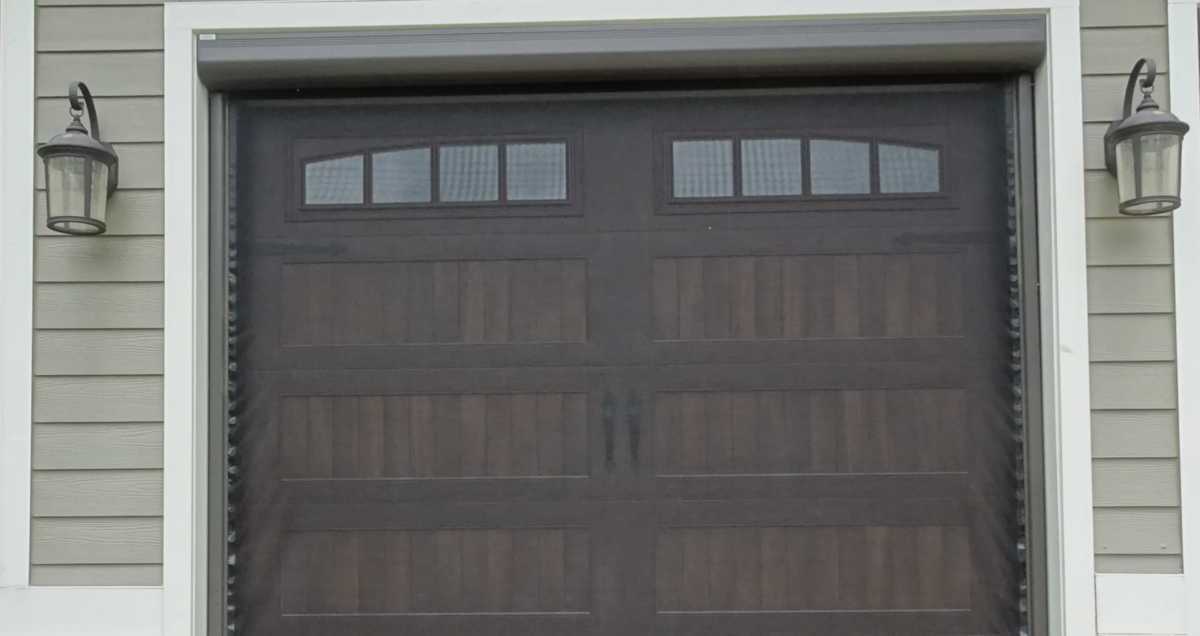
Garage Screen Colors and Frame Finishes: A Complete Guide to Choosing the Perfect Look
A garage screen should do more than keep insects outside. It should complement your home’s exterior, improve the appearance of your garage, and make the space more comfortable to use. The right combination of garage screen colors and frame finishes can turn an ordinary garage opening into an attractive, functional extension of your home.
Whether you prefer a modern black frame, a clean white finish, or a warm brown tone that blends with traditional architecture, your color choices make a noticeable difference. The screen mesh matters just as much. Its color can affect visibility, privacy, glare, and how the garage looks from the street.
With so many options available, choosing the right combination may seem complicated. Fortunately, understanding how frame materials, powder-coated finishes, screen fabrics, and exterior colors work together makes the process much easier.
At Stoett, homeowners can explore customizable retractable garage screens designed to complement different architectural styles. From durable aluminum frames to insect screens, solar shades, and weather-resistant materials, the available options make it possible to balance appearance with everyday performance.
This guide explains the most popular garage screen colors, available frame finishes, mesh options, and practical design considerations to help you make the right choice for your home.
Why Garage Screen Colors and Frame Finishes Matter
Garage doors occupy a large portion of many homes’ front elevations. Even when the garage door is open, the surrounding trim, screen housing, and tracks remain part of the home’s appearance.
A well-chosen garage screen should look like a natural extension of the building rather than an accessory installed as an afterthought.
Color and finish influence several important factors.
Exterior Appearance and Curb Appeal
A garage screen that coordinates with the home’s siding, windows, doors, and trim creates a more consistent exterior design.
For example, a black retractable garage screen can complement a modern home with dark window frames and contemporary lighting. A white frame may be a better choice for a traditional house with white trim and light-colored siding.
The goal is not necessarily to match every exterior feature. Instead, choose colors that work together and support the home’s overall architectural style.
Visibility and Natural Light
Screen mesh color can change how clearly you see through the garage opening.
Dark mesh often appears less noticeable when viewed from inside a well-lit garage toward a brighter outdoor area. Light-colored mesh can be more visible against the surrounding landscape.
However, mesh openness, lighting conditions, and fabric construction also affect visibility.
Homeowners who use their garages as workshops, gyms, or gathering spaces should consider how much natural light and outdoor visibility they want.
Privacy and Comfort
A garage that faces a busy sidewalk or neighboring property may benefit from a solar or privacy screen.
Certain fabrics reduce visibility into the garage while allowing some airflow. Others focus primarily on insect protection and preserving an open view.
Choosing the right color and fabric together can help create a more comfortable environment without making the space feel completely enclosed.
Long-Term Maintenance
Frame finishes also affect how a screen looks after years of exposure to sunlight, moisture, dust, and everyday use.
Quality powder-coated aluminum provides a protective finish that is easier to maintain than many unfinished surfaces.
Although no exterior finish is completely maintenance-free, selecting an appropriate coating and following basic cleaning practices can help preserve its appearance.
What Garage Screen Frame Colors Does Stoett Offer?
Stoett’s PanoramaUltra retractable garage screen system offers four standard powder-coated housing and track colors: Black, White, Brown, and Desert Tan. Custom colors are also available for projects that require a more specific exterior match.
These colors provide a versatile starting point for coordinating a garage screen with the surrounding architecture.
Black Garage Screen Frames
Black is a popular choice for contemporary homes, especially those featuring dark windows, metal accents, and modern garage doors.
A black garage screen frame creates a defined border around the opening. When paired with black mesh, the overall appearance can feel coordinated and understated.
Black works particularly well with:
- White or light gray siding
- Natural wood garage doors
- Modern farmhouse architecture
- Dark exterior windows and trim
- Contemporary brick and stone exteriors
One advantage of black is its versatility. It can create contrast against lighter surfaces or blend with darker architectural features.
However, black exterior surfaces may show pollen, mineral deposits, and certain types of dust. Dark finishes can also become warmer in direct sunlight than comparable light finishes.
White Garage Screen Frames
White garage screen frames provide a clean, familiar appearance that works with many traditional home designs.
For homes with white garage door trim, fascia boards, or window frames, a white screen housing can blend into the surrounding structure.
White is especially suitable for colonial, coastal, farmhouse, and classic suburban homes.
A white frame can also make the garage opening feel lighter and less visually heavy.
The main consideration is maintenance. Dirt, insects, and dark marks may be more noticeable on white surfaces, particularly near the lower tracks.
Routine cleaning helps maintain the finish.
Brown Garage Screen Frames
Brown provides a warmer alternative to black or white.
It is particularly effective on homes with wood-look garage doors, brick exteriors, brown window trim, or earthy architectural details.
Brown frames can complement:
- Rustic and craftsman-style homes
- Natural wood accents
- Warm-toned brick
- Traditional exterior color palettes
- Beige and tan siding
A brown garage screen frame often creates a softer appearance than black while still providing enough contrast to define the opening.
For homeowners who want the screen to coordinate with existing brown trim, this is a practical option.
Desert Tan Garage Screen Frames
Desert Tan is a neutral finish that works particularly well with beige, cream, sandstone, and other warm exterior colors.
Unlike bright white, Desert Tan creates a more subdued appearance.
It can blend into stucco, light masonry, and earth-toned siding without creating a strong visual contrast.
This makes it a useful choice for Mediterranean, Southwestern, traditional, and transitional homes.
Desert Tan can also coordinate with natural stone, tan garage doors, and warm-colored architectural trim.
Custom Garage Screen Frame Colors
Some homes require a finish beyond the standard color selections.
For example, a property may have bronze window frames, a distinctive green exterior, or a custom-painted garage door.
Stoett offers custom color options for its PanoramaUltra system, allowing homeowners to explore a more tailored appearance.
When considering a custom finish, compare physical color samples with the existing exterior materials. A color that appears accurate on a computer screen may look different in natural sunlight.
It is also important to confirm custom finish availability, production requirements, and compatibility with the selected screen system before ordering.
Understanding Garage Screen Frame Finishes
The color of a garage screen is only one part of its appearance. The type of finish applied to the frame affects texture, durability, and maintenance.
Most retractable garage screen systems use aluminum components because aluminum offers a useful combination of strength, relatively low weight, and corrosion resistance.
The surface treatment helps protect the metal and provides the desired appearance.
Powder-Coated Aluminum Frames
Powder coating is a finishing process that applies dry coating material to a metal surface. The coated material is then cured to form a durable protective layer.
For retractable garage screens, powder-coated aluminum is a practical choice because it provides a consistent appearance and helps protect the underlying metal.
Benefits include:
- Resistance to ordinary weather exposure
- A uniform exterior finish
- Multiple available color options
- Relatively simple cleaning
- Good compatibility with modern architectural designs
Stoett uses powder-coated housing and track finishes on its PanoramaUltra retractable screen system.
A properly maintained powder-coated finish can provide years of attractive service. Actual longevity depends on coating quality, installation conditions, climate, and exposure.
Anodized Aluminum Finishes
Anodizing is an electrochemical process that increases the thickness of aluminum’s natural oxide layer.
Unlike a conventional coating applied over the surface, anodizing modifies the outer layer of the aluminum itself.
Anodized finishes are often selected for their metallic appearance and corrosion resistance.
Stoett offers black and clear anodized options within its StowAway retractable screen door collection. These finishes are part of that door-screen product line and should not be confused with the standard PanoramaUltra garage screen frame colors.
Mill Finish Aluminum
Mill finish refers to aluminum that retains its natural appearance after manufacturing without an added decorative coating.
It typically has a metallic silver-gray look, although the exact surface appearance can vary.
Mill finish may be suitable for certain industrial or utility applications, but it does not provide the same uniform decorative appearance as powder coating.
For residential garage screens, a finished frame is often preferable when exterior appearance is a priority.
Matte, Satin, and Glossy Finishes
Surface sheen can also influence the appearance of a garage screen frame.
Matte finishes reflect relatively little light and tend to create a subdued look. Satin finishes provide a slight sheen, while glossy finishes produce stronger reflections.
These are general finish categories rather than a list of confirmed Stoett garage screen options.
When choosing a frame, ask about the sheen available for the specific color and product.
For homes with modern architecture, a lower-sheen finish may complement existing metal accents. Traditional homes may benefit from a finish that resembles the sheen of their exterior trim.
Choosing the Right Garage Screen Mesh Color
While the frame defines the edges of the garage opening, the screen fabric covers most of the visible area when the system is extended.
For that reason, mesh color can have an even greater influence on the appearance of the finished installation.
The best mesh depends on how you plan to use the garage.
Black Garage Screen Mesh
Black mesh is often preferred when outdoor visibility is important.
Dark strands tend to produce less noticeable reflections under many daytime viewing conditions. This can make the screen less distracting when looking from inside the garage toward the outdoors.
Black mesh is particularly useful for garages converted into:
- Home gyms
- Entertainment areas
- Workshops
- Hobby spaces
- Outdoor seating areas
It also coordinates naturally with black or brown frames.
However, black mesh is not automatically a privacy screen. Visibility through it still depends on the weave, lighting, and material.
White Garage Screen Mesh
White mesh provides a lighter appearance and can coordinate well with white garage frames or bright exterior trim.
It may be especially appealing when the homeowner wants a consistent light-colored look.
White mesh tends to be more noticeable against darker backgrounds, although the exact effect depends on the lighting.
It can also show dirt and discoloration more readily than darker mesh.
For homeowners who prioritize a bright appearance over maximum visual transparency, white may be an attractive choice.
Does Screen Color Affect Privacy?
Yes, but color alone does not determine privacy.
During the day, a darker or denser screen may make it harder to see into a garage when the exterior is brighter than the interior.
At night, the effect can reverse. If the garage lights are on and the outdoors is dark, people outside may be able to see through the screen.
For reliable privacy, pay attention to fabric openness and lighting conditions rather than relying on color alone.
A privacy-oriented solar screen may be a better choice than standard insect mesh when limiting visibility is a primary goal.
Stoett Garage Screen Fabric Colors and Options
Stoett’s PanoramaUltra system offers more than standard insect mesh. Depending on the selected configuration, homeowners can choose solar shades, privacy-oriented fabrics, and clear vinyl materials.
Each fabric category has its own color options and performance characteristics.
Insect Screen Colors: Black and White
Stoett offers Super Screen and No-See-Um insect screen options in black and white.
Super Screen is designed to provide durable insect protection while resisting common forms of damage and deterioration.
No-See-Um mesh uses a finer weave to help block smaller insects, including tiny biting gnats.
Both options allow ventilation, although the finer mesh may affect airflow and visibility differently.
For a garage used primarily during warm weather, insect mesh is often the most practical starting point.
Solar Screen Colors for 80% and 90% UV Protection
Stoett lists seven fabric colors for its Simplify solar screen options rated for 80% and 90% UV protection:
- Black
- Black Brown
- Brown
- Desert Sand
- Sandstone
- Dusk Grey
- White
These colors provide choices ranging from dark contemporary tones to lighter neutrals.
A black or Dusk Grey solar screen can complement modern homes with dark trim. Desert Sand and Sandstone are appealing for warm-colored stucco, brick, or natural stone exteriors.
Brown and Black Brown can coordinate with traditional garage doors and wood-look materials.
The appropriate color should be selected alongside the fabric’s solar performance, openness, and desired visibility.
Solar Screen Colors for 95% UV Protection
For homeowners who want greater UV reduction, Stoett also offers solar screen fabrics rated for 95% UV protection.
The colors listed on its PanoramaUltra product page include:
- Charcoal
- Flat Black
- Granite
- Tobacco
- Bone
- Sable
- White
- Espresso Texture
- Shadow Texture
- Stone Texture
These options provide more design flexibility, particularly for garages exposed to strong afternoon sunlight.
Charcoal, Granite, and Flat Black can create a contemporary appearance. Bone and White offer lighter alternatives, while Tobacco and Espresso Texture complement warmer exterior palettes.
The textured fabric options can add visual depth without requiring a bold color.
Keep in mind that UV blockage is not the same as heat reduction. Solar heat performance also depends on the fabric’s construction, color, openness, and the conditions around the opening.
Clear Vinyl Screen Border Colors
For garages where protection from wind and light rain is more important than ventilation, clear vinyl screens may be worth considering.
Stoett’s clear vinyl screen configurations use transparent material with colored fabric borders.
Popular border colors shown on Stoett’s website include:
- White
- Black
- Concrete
- Boulder
- Camel
- Marine
- Olive
- Aluminum
Additional colors may be available within the broader clear vinyl collection.
Clear vinyl allows outdoor views while providing a more substantial barrier than open insect mesh. However, it does not provide the same ventilation as a mesh screen.
For a garage used as a seasonal gathering space, a clear vinyl configuration can be a useful option when weather protection is the main priority.
How to Match Garage Screen Colors With Your Home’s Exterior
Choosing a garage screen color becomes easier when you evaluate the existing exterior as a whole.
Rather than selecting a frame based on personal preference alone, look at the materials and colors already present around the garage opening.
Match the Garage Door Trim
The garage door trim is often the most useful reference point.
If the trim is white, a white frame can create a cohesive appearance. If the surrounding structure is dark brown or black, matching those tones may help the screen blend into the opening.
This approach is especially effective for retractable systems because the housing and tracks remain visible when the screen is stored.
Coordinate With Window Frames
Window frames are another useful design reference.
Many modern homes use black or dark-colored window frames as a recurring architectural feature.
Selecting a similar garage screen finish can create visual continuity across the front of the house.
For homes with white or warm neutral windows, a matching or complementary screen frame may look more natural.
Consider the Garage Door Material
The garage door itself can influence the best frame color.
A natural wood-look garage door may pair well with Brown or Desert Tan. A contemporary charcoal garage door may look better with a black frame.
White garage doors are versatile and can coordinate with either white or contrasting black screen frames.
The surrounding siding and trim should still influence the final decision.
Evaluate the Color in Different Lighting Conditions
Exterior colors can look surprisingly different throughout the day.
A dark frame may appear nearly black in shade but reveal warmer undertones in direct sunlight. Light neutrals may look creamier during sunset.
Before finalizing a custom garage screen color, compare samples outdoors during the morning, afternoon, and evening.
This is especially helpful when matching existing painted surfaces or architectural metal.
Best Garage Screen Color Combinations by Home Style
There is no single color combination that works for every property. The best choice depends on the home’s architecture, existing materials, and the appearance you want to achieve.
The following combinations offer practical starting points using Stoett’s listed PanoramaUltra frame and fabric colors.
| Home style | Frame color | Suggested screen color |
| Modern farmhouse | Black | Black or Charcoal |
| Traditional suburban | White | Black or White |
| Craftsman | Brown | Brown or Black Brown |
| Coastal | White | White or Dusk Grey |
| Mediterranean | Desert Tan | Sandstone or Desert Sand |
| Contemporary | Black | Flat Black or Granite |
| Rustic | Brown | Tobacco or Espresso Texture |
| Southwestern | Desert Tan | Desert Sand or Bone |
These combinations are design suggestions. Screen fabrics have different functions, so the final choice should reflect whether you need insect protection, solar control, privacy, or weather protection.
Should Your Garage Screen Frame Match the Mesh?
Matching the frame and mesh can create a uniform appearance, but it is not always necessary.
In some cases, contrast produces a better result.
Matching Black Frames With Black Mesh
This combination is particularly effective for modern homes.
The dark frame and mesh create a consistent appearance across the opening.
It can also reduce the visual contrast between the housing and the extended screen.
For homeowners who want a contemporary design, this is often a strong choice.
White Frames With Black Mesh
A white frame paired with black mesh is a practical combination for traditional homes.
The white housing coordinates with the exterior trim, while the black mesh can provide good outward visibility.
This approach allows the fixed components to blend with the building without requiring a light-colored screen fabric.
Brown Frames With Neutral Solar Screens
Brown frames work well with solar fabrics such as Brown, Black Brown, Tobacco, and Sandstone.
These combinations can complement brick, wood, and other warm exterior materials.
They are especially suitable for garages that serve as workshops or recreational spaces and need additional sun control.
Desert Tan Frames With Light Neutral Mesh
Desert Tan frames can coordinate with Desert Sand, Sandstone, or Bone solar fabrics.
This combination is useful when the goal is to maintain a soft, neutral exterior appearance.
It works particularly well with light stucco, natural stone, and warm beige siding.
How Screen Colors Affect Heat, Sunlight, and Visibility
Homeowners sometimes assume that choosing a lighter screen automatically makes the garage cooler.
In practice, solar screen performance is more complicated.
Dark Versus Light Screen Fabrics
Dark fabrics tend to absorb more incoming solar radiation, while lighter fabrics often reflect more of it.
However, the amount of heat transmitted into a garage depends on the entire fabric system.
A dark solar screen may provide excellent glare control and outward visibility. A light screen may reflect more sunlight but create a brighter visual appearance.
The most useful comparison is between specific fabrics with known performance characteristics, not color alone.
Understanding Screen Openness
Screen openness refers to the proportion of open space in a woven fabric.
A more open mesh generally allows greater airflow and visibility.
A tighter weave can improve insect protection, glare reduction, or privacy, depending on the material.
For example, fine No-See-Um mesh is designed to block smaller insects, while solar screen fabrics are designed primarily to manage sunlight.
Choosing the correct fabric type matters more than selecting a color that simply looks attractive.
Choosing Colors for West-Facing Garages
West-facing garages often receive strong afternoon sunlight.
If you use your garage as a workout area or workshop, solar protection may be more valuable than maximum airflow.
A darker solar fabric may help manage glare, while a lighter option may better suit your exterior design.
Consider the fabric’s rated performance, the amount of afternoon exposure, and whether you need ventilation while the screen is closed.
Garage Screen Colors for Different Garage Uses
How you use your garage should influence your screen selection.
A garage that primarily stores vehicles has different requirements from one used as a home office or entertainment space.
Garage Gyms
A garage gym benefits from airflow, insect protection, and comfortable natural light.
Black insect mesh can be a good choice when preserving the outside view is important.
For garages with significant direct sunlight, a solar screen may provide better glare control.
A black or white frame can coordinate with most contemporary garage interiors.
Garage Workshops
Workshops often require adequate daylight and ventilation.
Standard insect mesh may be appropriate when the primary goal is keeping bugs outside while allowing fresh air to circulate.
If the garage faces the afternoon sun, a solar screen may help reduce glare on work surfaces.
Neutral frame colors, such as Brown or Desert Tan, can complement woodwork and traditional exterior materials.
Garage Entertainment Areas
Garages used for watching sports, entertaining guests, or spending time with family may benefit from privacy and solar control.
A darker screen fabric can create a more subdued visual environment, although nighttime privacy still depends on lighting.
For these spaces, a retractable system is especially convenient because the screen can be opened or stored as needed.
Garage Home Offices
A garage converted into a home office may require a balance of daylight, privacy, and glare reduction.
Solar shades can help reduce harsh sunlight on computer screens.
Colors such as Charcoal, Granite, or Sandstone can provide a professional appearance while coordinating with the exterior.
The best choice depends on the direction the garage faces and the position of the workspace.
Frame Color Considerations for Single and Double Garage Screens
Garage opening size also affects how noticeable the frame and mesh will be.
A single-car garage typically has a smaller opening, while a double-car garage presents a much wider visual area.
Single-Car Garage Screens
With a smaller opening, frame color may have a greater visual impact relative to the total screen area.
A contrasting black frame can define the opening, while white or Desert Tan may blend more naturally with light-colored trim.
Matching the frame to the existing garage structure is often an effective approach.
Double-Car Garage Screens
A double garage screen covers a larger area, making fabric color and visibility especially important.
Dark mesh may create a more uniform appearance across the wide opening.
For homes with two separate garage doors, using consistent frame and mesh colors helps maintain exterior symmetry.
Homeowners should also consider the size of the retractable housing and its relationship to the garage door hardware.
How Mounting Style Affects the Appearance of a Garage Screen
Even the best color combination can look out of place if the screen is installed in a way that conflicts with the surrounding architecture.
Stoett’s PanoramaUltra retractable screens offer different mounting configurations, allowing the installation to accommodate various opening designs. They also have patio screens for those of you who may be interested,
Exterior Surface Mounting
With exterior surface mounting, the screen housing and tracks are attached to the face of the structure.
This can make the frame more noticeable from the outside.
Matching the housing to the exterior trim may help create a more integrated appearance.
Alternatively, a contrasting color can make the frame a deliberate architectural feature.
Between-Jamb Mounting
Between-jamb installation places the screen system within the opening rather than prominently on the exterior face.
This can create a cleaner appearance when the garage has enough space to accommodate the system.
The frame color should coordinate with the interior surfaces of the opening as well as the exterior trim.
Built-In Mounting
Built-in configurations can help integrate the screen housing into the surrounding structure.
This approach may be particularly appealing for new construction or major garage renovations.
Planning the screen during the design phase can provide more flexibility in concealing components and coordinating finishes.
The appropriate mounting method depends on the opening dimensions, available clearance, structural conditions, and screen model.
Are Dark or Light Garage Screen Frames Easier to Maintain?
Both dark and light finishes have advantages, but neither is completely resistant to visible dirt.
Black frames may conceal some marks while making light-colored dust, pollen, and water spots more noticeable.
White frames may hide light dust but reveal darker dirt and insect residue.
Brown and Desert Tan can offer a useful middle ground, particularly in environments where dust and pollen are common.
Cleaning Powder-Coated Garage Screen Frames
Most routine cleaning can be completed with mild soap, water, and a soft cloth.
Avoid abrasive pads, harsh solvents, and aggressive cleaning products that may damage the coating.
Rinse away soap residue and allow the surfaces to dry.
For retractable garage screens, it is also important to keep the tracks clear of dirt and debris.
A clean track helps the screen move smoothly and reduces unnecessary wear on moving components.
Protecting Frame Finishes From Weather
Climate affects the long-term appearance of exterior finishes.
Homes in coastal environments may experience salt exposure, while properties in colder climates may be exposed to road salt, snow, and freeze-thaw cycles.
Regular rinsing and inspection can help remove contaminants before they accumulate.
Homeowners should also inspect the frame for scratches or coating damage and address any concerns according to the manufacturer’s maintenance recommendations.
Common Mistakes When Choosing Garage Screen Colors
A garage screen is a long-term home improvement, so it is worth avoiding decisions based solely on a small color sample.
Choosing Color Before Screen Function
A screen may look attractive but fail to provide the level of insect protection, privacy, or solar control you need.
Start by identifying the primary purpose of the screen.
Then choose from the colors available within the appropriate fabric category.
Ignoring Existing Exterior Finishes
A garage screen that looks appealing in a product photo may not coordinate with your home.
Compare the proposed frame color with the garage door, siding, trim, and window frames.
Look for complementary undertones rather than focusing only on whether two colors have similar names.
Assuming All Stoett Products Have the Same Colors
Stoett offers several retractable screen product lines, and their finish selections differ.
For example, the StowAway retractable screen door collection includes finishes such as Architectural Bronze, Hunter Green, Ivy Green, Linen, and Sandalwood, along with wood veneer and anodized options.
Those finishes should not automatically be assumed to be standard PanoramaUltra garage screen colors.
Always confirm the available palette for the specific product you are purchasing.
Overlooking Lighting Conditions
A mesh that appears private during the day may offer much less privacy at night when interior lights are on.
Similarly, a screen that looks nearly transparent in bright daylight may become more noticeable under different lighting conditions.
Consider how the garage will be used throughout the day and evening.
Forgetting About the Retracted Appearance
When a retractable garage screen is open, most of the fabric is stored inside the housing.
At that point, the frame and tracks become the most visible parts of the system.
Choose a housing color that looks appropriate even when the screen itself is not in use.
How to Choose the Best Garage Screen Color and Finish
The easiest way to narrow your options is to work through the decisions in a practical order.
Step 1: Identify Your Primary Screen Needs
Decide whether the screen is primarily for insect protection, privacy, solar control, or weather protection.
This determines which screen materials are appropriate.
Step 2: Review Your Exterior Color Palette
Look at the garage door, trim, windows, siding, and nearby architectural features.
Choose a frame color that either blends with those elements or creates intentional contrast.
Step 3: Select a Compatible Mesh Color
Once you have selected the screen material, compare its available colors.
For example, a homeowner who wants standard insect protection may choose between black and white mesh.
Someone interested in solar control will have a broader selection of colors and textures.
Step 4: Consider the Garage’s Orientation
Determine whether the garage receives direct morning or afternoon sunlight.
A garage exposed to strong afternoon sun may benefit from a solar screen, while a shaded garage may only need insect protection.
Step 5: Review the Mounting Configuration
Consider how visible the housing and tracks will be.
An exterior-mounted screen may benefit from a finish that matches the garage trim, while a recessed installation may make the frame less prominent.
Step 6: Confirm the Final Colors Before Ordering
Review the manufacturer’s current color selections and request physical samples when possible.
Check how the proposed colors appear against your home’s exterior in natural light.
For custom finishes, confirm availability and any additional requirements before placing an order.
Why Choose Stoett for Custom Retractable Garage Screens?
A retractable garage screen should look attractive, operate smoothly, and provide the protection you need without permanently closing off the garage.
Stoett designs custom-fit retractable screen systems for garages and other large openings, offering options for insect protection, solar control, privacy, and weather protection.
The PanoramaUltra system features high-grade aluminum framing, powder-coated color options, and multiple screen fabric selections.
Homeowners can also explore manual and motorized configurations, depending on the selected model and opening requirements.
Unlike a permanently installed screen wall, a retractable system allows you to enjoy an open garage when the screen is not needed.
That flexibility is especially valuable for garages used for several purposes throughout the year.
Whether you prefer a black frame with dark insect mesh, a white frame that blends with traditional trim, or a Desert Tan finish paired with a neutral solar screen, Stoett offers options to help coordinate your garage screen with your home.
Explore Stoett’s PanoramaUltra retractable garage screens to review available colors, materials, and configurations.
You can also visit Stoett’s retractable garage screen collection to learn more about custom-fit solutions for your space.
Check out Stoett’s completed projects.
You can reach us at 419-542-0247 or contact us online.
Frequently Asked Questions About Garage Screen Colors and Frame Finishes
What are the most popular garage screen colors?
Black and white are versatile choices because they coordinate with many exterior styles. Brown and tan are also appealing for homes with warm-colored siding, brick, stone, or wood accents. The best garage screen color depends on the existing exterior finishes and the appearance you want to achieve.
What frame colors are available for Stoett retractable garage screens?
Stoett’s PanoramaUltra retractable garage screens offer four standard powder-coated housing and track colors: Black, White, Brown, and Desert Tan. Custom colors are also available for homeowners seeking a more specific exterior match.
Is black or white mesh better for a garage screen?
Black mesh is often preferred for outward visibility because it can appear less noticeable when looking toward a brighter outdoor area. White mesh provides a lighter appearance and may coordinate better with certain exterior designs. Both colors are available for Stoett’s Super Screen and No-See-Um insect screen options.
Can I match my garage screen frame to my garage door?
Yes. Matching the screen frame to the garage door or surrounding trim can create a coordinated appearance. If a standard frame color does not match, Stoett offers custom color options for its PanoramaUltra system.
What is the best garage screen color for a modern home?
Black is a strong choice for modern homes, especially those with dark window frames, contemporary garage doors, and minimalist exterior details. Black frames paired with black or charcoal-colored mesh can create a cohesive appearance.
Do dark garage screens make the garage hotter?
Dark fabrics generally absorb more solar radiation than lighter fabrics, but actual heat performance depends on the screen material, openness, and construction. A purpose-designed solar screen may help reduce incoming sunlight and glare even when the fabric is dark.
Which garage screen color provides the most privacy?
Privacy depends more on fabric construction and lighting than on color alone. Darker or denser solar screens can reduce visibility into a garage under certain daytime conditions. However, interior lighting at night may make the garage visible from outside. For privacy, choose an appropriate privacy-oriented fabric rather than relying only on color.
Are powder-coated garage screen frames durable?
Quality powder-coated aluminum frames are designed to withstand normal outdoor exposure and provide a protective decorative finish. Regular cleaning and appropriate maintenance help preserve their appearance. Durability depends on coating quality, environmental conditions, and installation.
Can garage screen frame colors fade over time?
Yes. Any exterior finish may experience changes in appearance after prolonged exposure to sunlight, weather, and environmental contaminants. High-quality coatings are designed to resist fading, but their long-term performance varies. Proper maintenance can help preserve the original appearance.
Are custom garage screen colors available?
Yes. Stoett offers custom color options for PanoramaUltra retractable screen frames. Homeowners should confirm the requested color, finish requirements, and availability before ordering.
What garage screen colors work best with brick homes?
Brown, Black, and Desert Tan can complement many brick exteriors. Brown and Desert Tan often coordinate with warm red or tan brick, while Black can create attractive contrast on contemporary brick homes. The best choice depends on the brick’s undertones and the surrounding trim.
What is the difference between powder-coated and anodized aluminum frames?
Powder coating applies a protective, decorative layer to the aluminum surface. Anodizing is an electrochemical process that modifies the aluminum’s outer oxide layer. Both can provide corrosion resistance, but they produce different appearances. Stoett’s PanoramaUltra garage screens use powder-coated frame colors, while certain anodized finishes are offered in its StowAway screen door collection.
Can I choose different colors for the frame and screen mesh?
Yes. Frame and fabric colors can be selected to create matching or contrasting combinations, subject to the available options for the selected screen system. For example, a white frame can be paired with black insect mesh, while a brown frame may coordinate with a neutral solar screen.
What is the best garage screen color for a white house?
Black and white are both attractive options for a white house. White creates a subtle, coordinated appearance, while black provides a more defined, contemporary contrast. The window frames, garage door, and exterior hardware can help determine which option works best.
Do garage screen colors affect airflow?
Color alone does not determine airflow. Mesh weave, fabric thickness, and openness are more important. Standard insect mesh typically allows more ventilation than tightly woven solar fabrics, while clear vinyl screens are designed for weather protection rather than airflow.
How do I choose a garage screen color that will look good for years?
Choose a color that coordinates with permanent exterior features rather than temporary decorating trends. Neutral colors such as Black, White, Brown, and Desert Tan are versatile options. Also consider the finish’s maintenance requirements, local climate, and how the screen looks when both extended and retracted.
Find the Right Garage Screen Colors and Frame Finishes With Stoett
The right garage screen color brings together appearance, comfort, and everyday functionality. A carefully selected frame finish can complement your home’s architecture, while the appropriate mesh color and material can improve ventilation, reduce glare, or provide additional privacy.
From classic white and warm brown to contemporary black and versatile Desert Tan, Stoett’s retractable garage screen options make it easier to create a cohesive exterior design.
With custom-fit systems, multiple fabric choices, and available custom frame colors, you can choose a screen that suits both your home’s appearance and the way you use your garage.
Explore the available options at Stoett.com and find a retractable garage screen that complements your home while making your garage more comfortable and functional.